
What is Privacy Compliance?
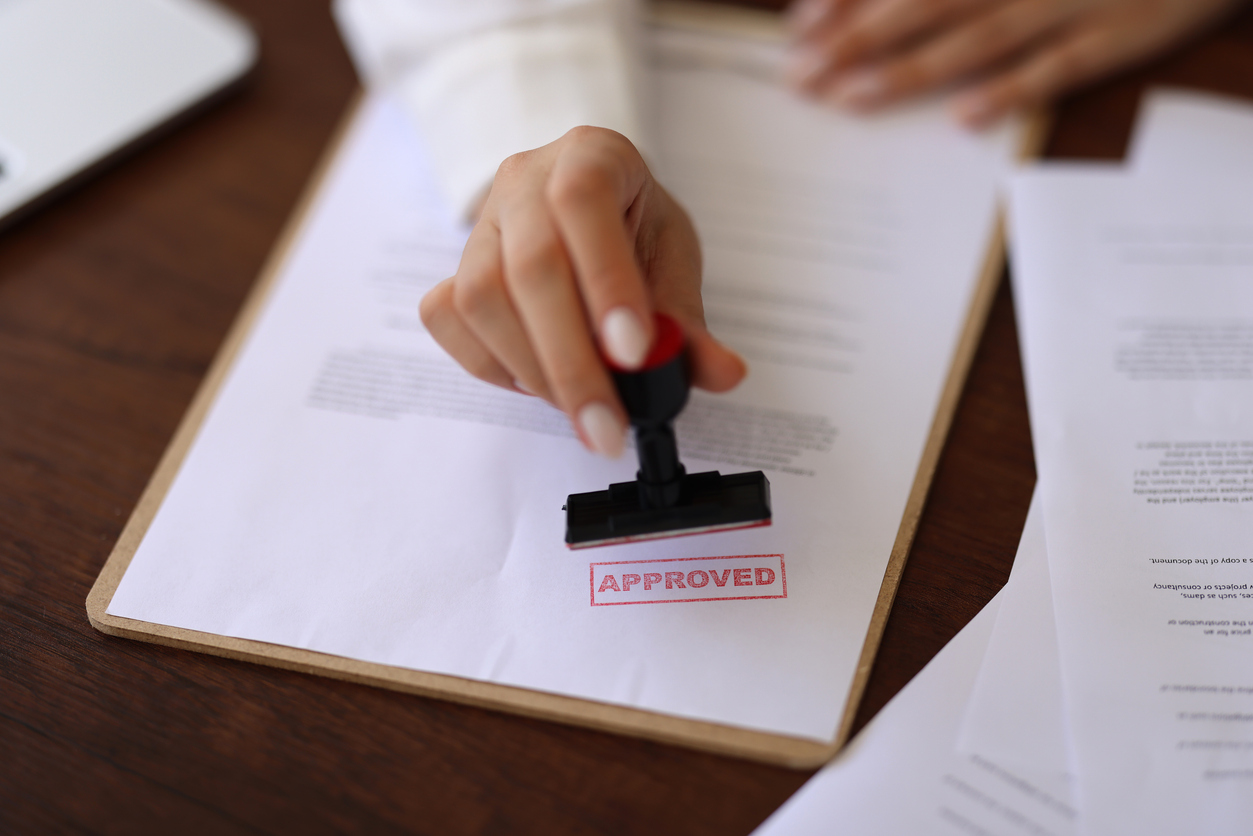
Privacy compliance means meeting the privacy requirements that apply to your business through real-world controls, not just policies.
In practice, privacy compliance is your ability to answer four questions clearly and consistently:
- What personal information do we collect?
- Why do we collect it (and is it necessary)?
- How do we protect it and control access?
- How do we handle requests and incidents?
What privacy compliance includes (the practical version)
A workable privacy compliance foundation usually includes:
Governance
- Clear ownership for privacy decisions
- A repeatable process for reviewing new projects and vendors
- A way to track and prioritize privacy risks
If you need ongoing leadership, explore: Virtual Privacy Officer (vPO)
Data handling
- A data inventory and data flow visibility
- Rules for collection, use, sharing, and retention
- Vendor management boundaries
For project-level data flow review, use: Privacy Impact Assessment (PIA)
Security safeguards
- MFA, least privilege, and clean off-boarding
- Secure configuration and monitoring
- Incident response readiness
For risk prioritization and technical hardening, start with: Threat and Risk Assessment (TRA)
For exploit-focused testing, use: Penetration Testing
Documentation and proof
- Policies your team actually follows
- Evidence that matches reality (not shelfware)
- Materials you can reuse in questionnaires and procurement
If you want the baseline version built quickly, start here: Minimum Viable Privacy (MVP)
Privacy compliance isn’t a badge
There’s rarely a single “compliant” moment. Privacy compliance is a program: you build it, run it, and improve it as your business changes.
If you’re starting from zero, the fastest path is to implement a credible baseline first, then deepen over time.
Want a simple starting point?
Start here: Book a call
Or browse: FAQs